


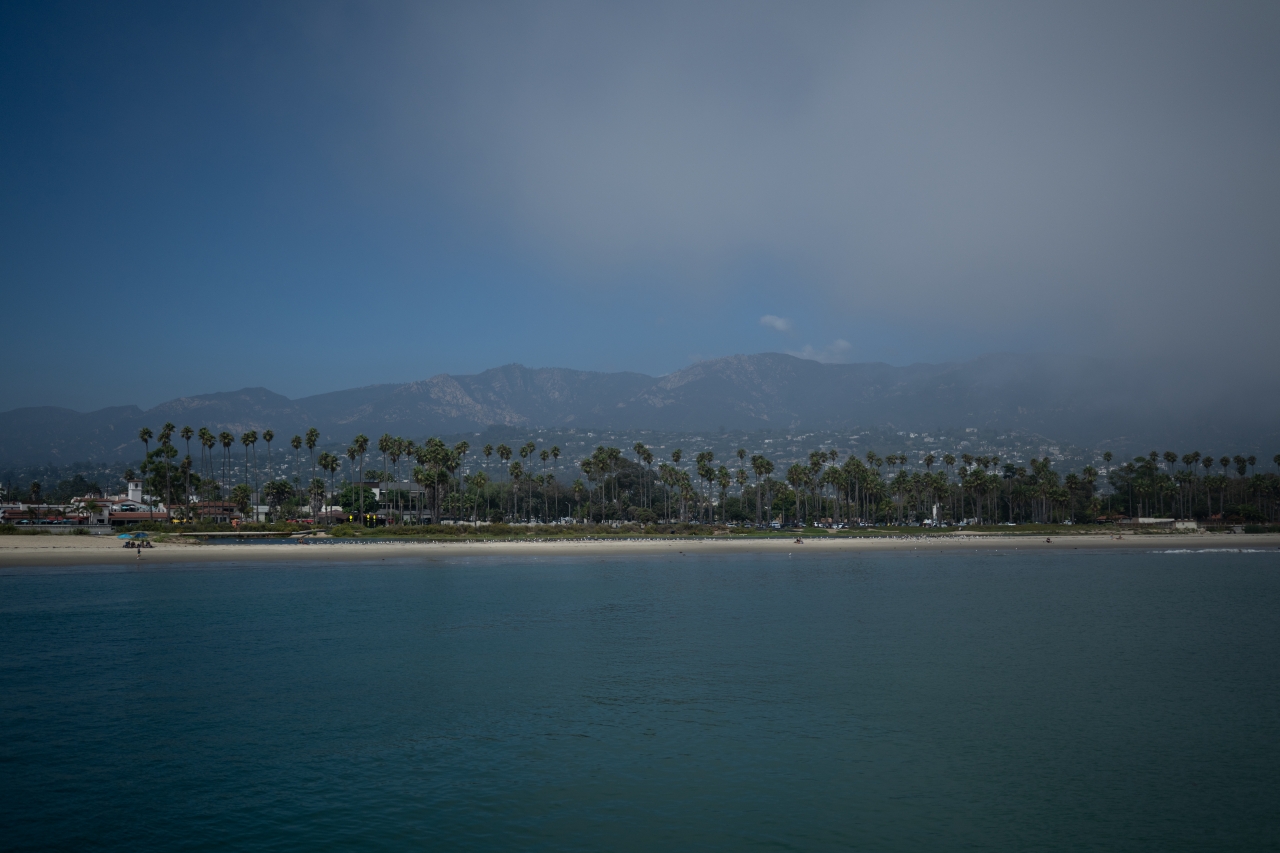
“We are what we eat, what we drink, and what we breathe, it’s that simple. And if the water is polluted, if the air is polluted, and if the land is polluted, we are polluted, we are sick,” says oceanographer Rocío Lozano-Knowlton, using simple and direct language to summarize the importance of caring for the environment.
For her, protecting the ocean is vital: “The oxygen from two out of every three breaths we take came from the sea.”
Both ideas are simple, yet few governments have implemented them in their public policies. There are only a handful of places on the planet where regulations have been established to defend the environment. Among them is California on the West Coast of the United States, where Lozano-Knowlton lives.
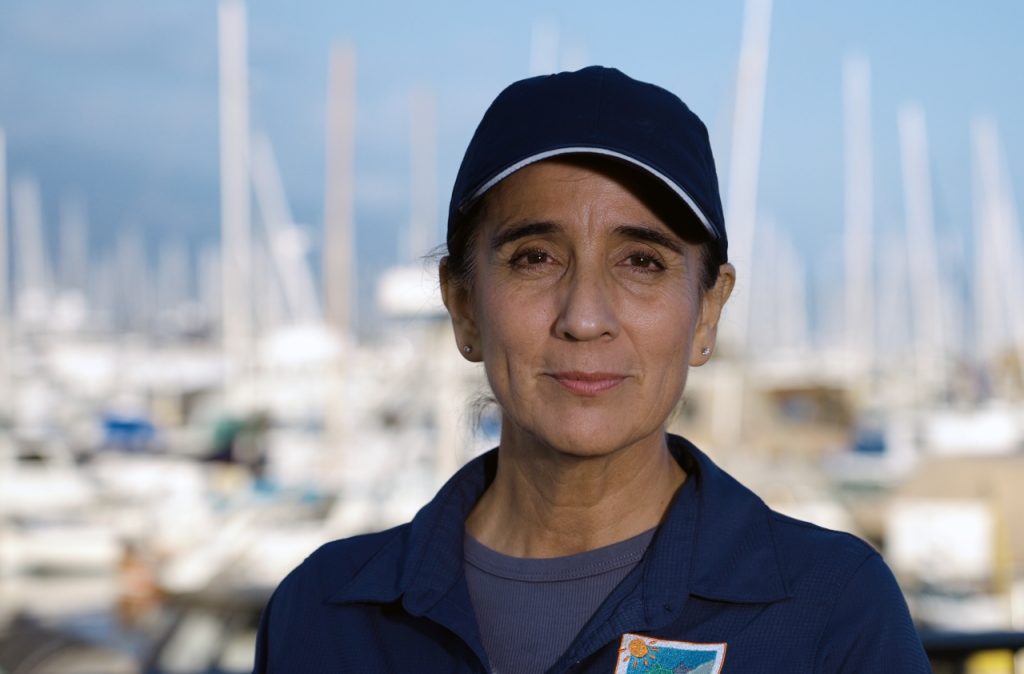
She has dedicated her professional life to ocean conservation. She arrived in Santa Barbara more than 20 years ago, where at a short distance from the coast there is a marine treasure.
The successful case of the Channel Islands National Marine Sanctuary
The Channel Islands National Marine Sanctuary (CINMS) covers 1,470 square miles around five islands: Anacapa, Santa Cruz, Santa Rosa, San Miguel, and Santa Barbara.
They are known as the Galápagos of the north because of the diversity of ecosystems and species they contain. It is a network of different types of Marine Protected Areas (MPAs) designed to preserve various marine habitats.
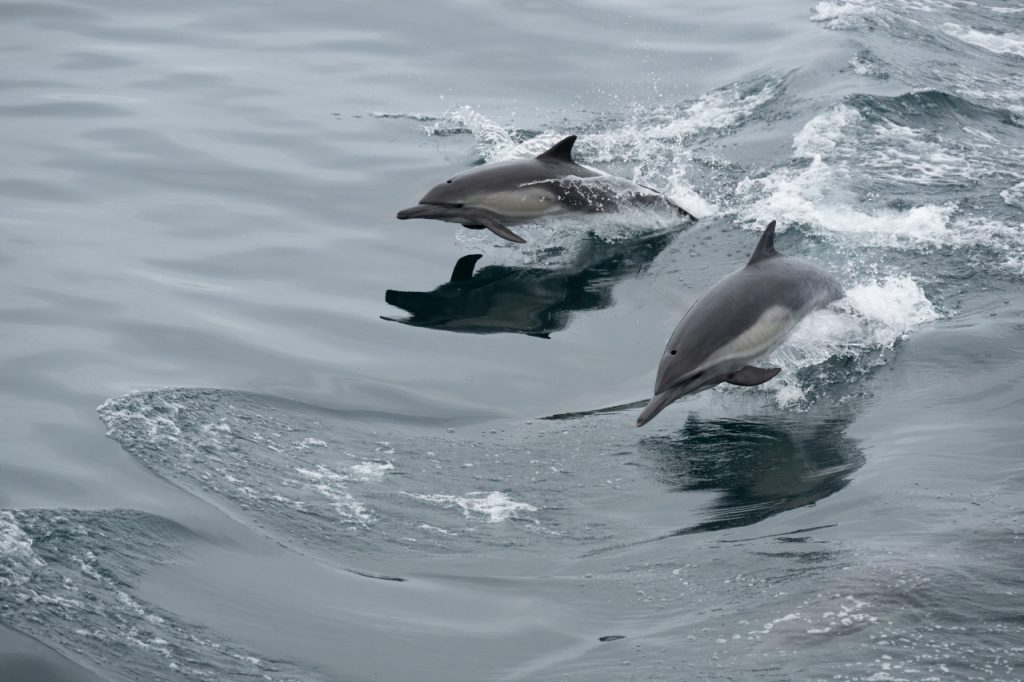
In its waters live sea lions, whales, fish, corals, and underwater kelp forests. But its value goes beyond the biological. It represents a successful model of how responsible management of these areas can regenerate entire habitats.
“That has led to the entire ecosystem within that reserve being healthier and more capable of withstanding other stressors, such as warming waters or ocean acidification. It is a more resilient system, stronger,” explains Lozano-Knowlton.
The sanctuary was established in 1980, but in 2003 a network of 13 reserves was created—21% of its waters—where fishing is not allowed. Positive results began to appear within a few years, but by the end of the first decade scientists observed two unmistakable signs of recovery:
More marine life. The density or total number of organisms increased.
Larger and more abundant marine life. Biomass, or the total weight of organisms, increased.
Both phenomena are the main indicators scientists use to evaluate the health of areas designated to protect marine life.
What is a Marine Protected Area?
Although they have different definitions, in general, a Marine Protected Area (MPA) is a geographic region of the sea designated to ensure marine resources, services, or cultural heritage.
Details vary depending on jurisdiction. According to the National Oceanic and Atmospheric Administration (NOAA), there are two main types of MPAs:
- “No-take” marine reserves in which the extraction of organisms or resources is prohibited.
- Multiple-use marine areas. These allow activities such as fishing, tourism, and navigation.
Scientific studies show that when MPAs are effectively managed they become a tool that provides countless benefits.
“The health of the ocean through the creation of marine protected areas is one of the most important political and economic climate actions that must exist today on the planet. By creating them, we are going to have a healthy ocean for the future, but we will also be able to fight climate change. We will be able to fight poverty because there are many communities… that live from the sea,” explains Max Bello, global MPA expert.
The concept is simple. If we give it time and space, the ocean will recover.
“If you have a garden and you leave one area undisturbed, that garden will flourish and many things you didn’t even plant will arrive there.”
California and its network of Marine Protected Areas
The coasts of the “Golden State” hold a history of ocean conservation worthy of their current global recognition. In 1999, the Marine Life Protection Act established a system to design and implement a network of 124 interconnected MPAs. Some of the protected zones within the sanctuary (CINMS) are part of this network, for example.
“How are they connected? Because certain species move from one place to another, especially in the sea, but the larvae of certain species also travel from one place to another. So these ecosystems are connected and make each other healthier, because species diversity also ultimately makes ecosystems healthier and more resilient,” explains scientist Manuela Díaz, coordinator of the Ocean Access program at the California Marine Sanctuary Foundation.
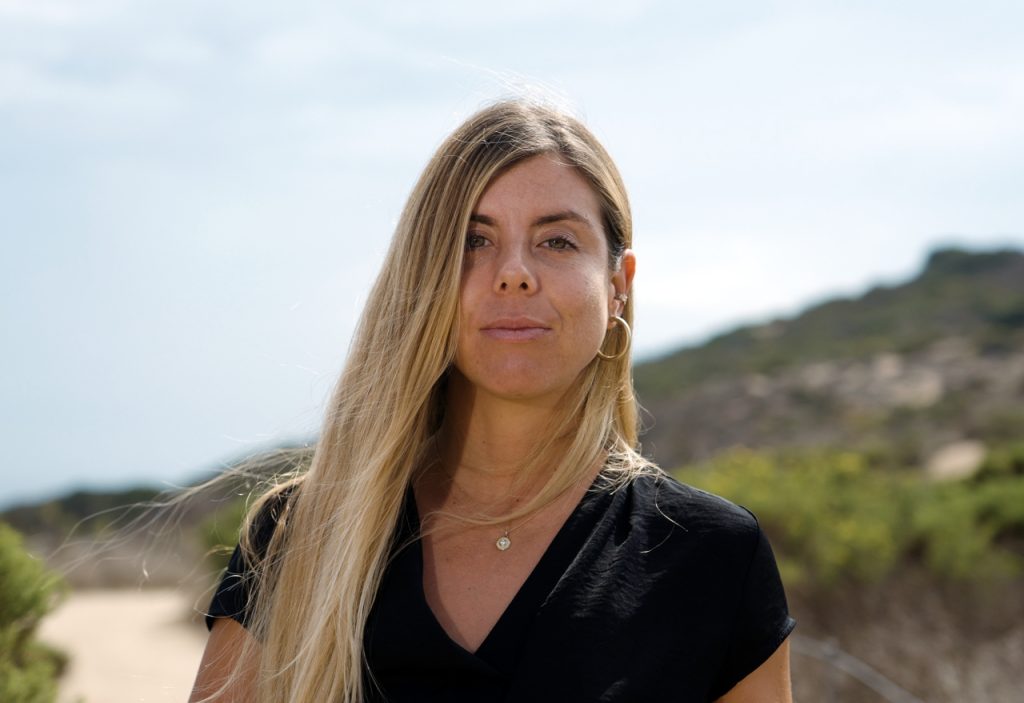
In addition, protected areas share their richness with environments that do not have the same designation thanks to the spillover effect.
“If we protect one area, it is like a bank account where we are saving. Why? Because basically we are protecting this area so we can also have more species around it. Because it is not static. The sea is not a static place. The sea is a place… currents move, species move. So by protecting this specific area we allow species to grow, reproduce, increase in number and size, biodiversity, and that will also allow expansion into other areas of the ocean.”
Díaz shares the vision of the state of California: one of the main benefits is that these areas are open for visitors to enjoy.
“Their main objective is to protect natural resources, but also cultural ones… to protect these marine spaces so that people can continue to enjoy these marine resources, but in a responsible and sustainable way and in the long term.”
And to amplify this message, it is vital to have the support of community organizations that share the environmental mission.
Community support, vital for the defense of MPAs
On a cool autumn morning, days before the start of the school year, teachers and scientists prepare for an important visit to Santa Cruz Island, one of the five that make up Channel Islands National Park. To get there, they must navigate through the sanctuary’s waters.
This is not merely a recreational visit; it is an educational mission of the MERITO Foundation.
“Our vision is a healthy sea, cared for by coastal communities, regardless of race, ethnicity, language, but that everyone feels affection for the sea,” explains Rocío Lozano-Knowlton, oceanographer and cofounder of the organization.
During the trip, teachers carry out scientific research projects that they will later share with their students.
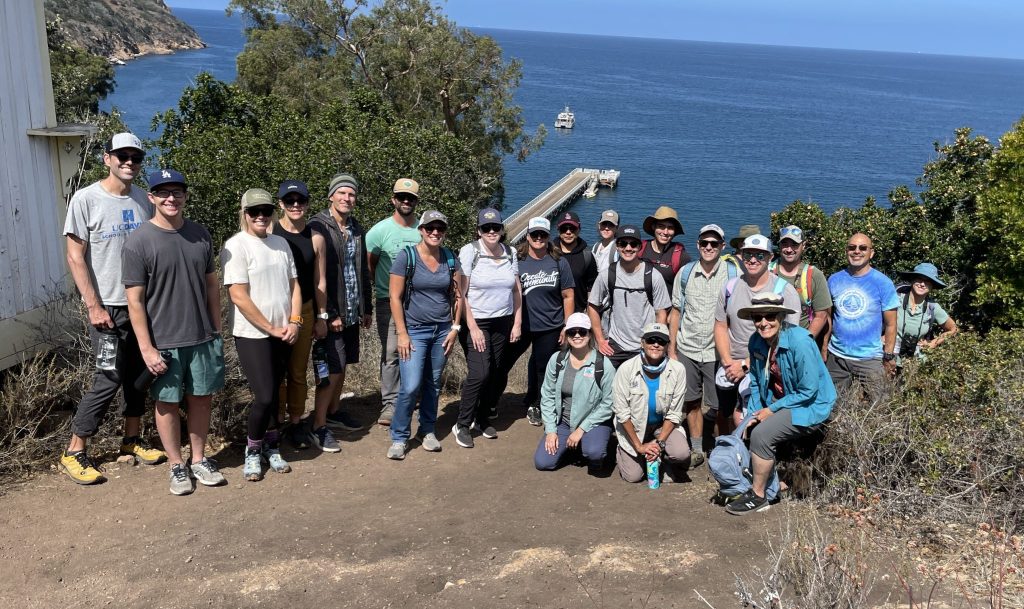
This is one of the many activities organized by the foundation. Many include students. To date, they have brought more than 35,000 teenagers to the coast and the sea for learning purposes, but also to enjoy nature.
“They have fun, so they lose their fear of the sea. They have fun, they grow fond of that beach, that sea, that river. If they monitor it and see its health, they will do something about it and gain, how can I put it, ownership over that place,” explains Lozano-Knowlton.
MERITO is dedicated to instilling this love for the ocean in young people with the hope of inspiring a future linked to protecting the planet.
“We have had students who write to us saying they are studying environmental engineering or some have gone on to study environmental law or become marine biologist scientists,” says Lozano-Knowlton.
This is a fundamental contribution to MPAs. The success of marine conservation programs depends on the support of communities that understand that their health—and often their economic well-being—depends on the health of the sea.
The close alliance between conservation and the economy
Marine protection can coexist in harmony with a prosperous economy. This has been more than demonstrated in the Channel Islands sanctuary, a source of sustainable tourism and jobs for nearby communities.
“Tourism looks for fresh fish and especially local fish. So, well, here there is,” says Miguel Ávila, cofounder of the Santa Barbara Hispanic Chamber of Commerce.
The sanctuary and surrounding waters have become the economic engine of the region.

“The marina generates a lot of tax revenue for the city, creates jobs and, above all, most of the employees are Latino,” adds Ávila.
According to Channel Islands National Park, they received more than 250,000 visitors in 2024, with an estimated economic impact of 18 million dollars in neighboring communities.
And one of NOAA’s first studies, the entity that manages the sanctuary, indicates that commercial fishing and ecotourism have generated 3,300 jobs in seven counties along California’s central coast.
Although only 21% of the sanctuary is closed to commercial fishing, it has been shown that coexistence between conservation and use is possible.
“This area is one of the highest-producing and most valuable fishing areas in the state of California… Its abundance is robust thanks to the productivity of the system off our coast,” says Chris Voss, president of the Santa Barbara Commercial Fishing Association (CFSB).
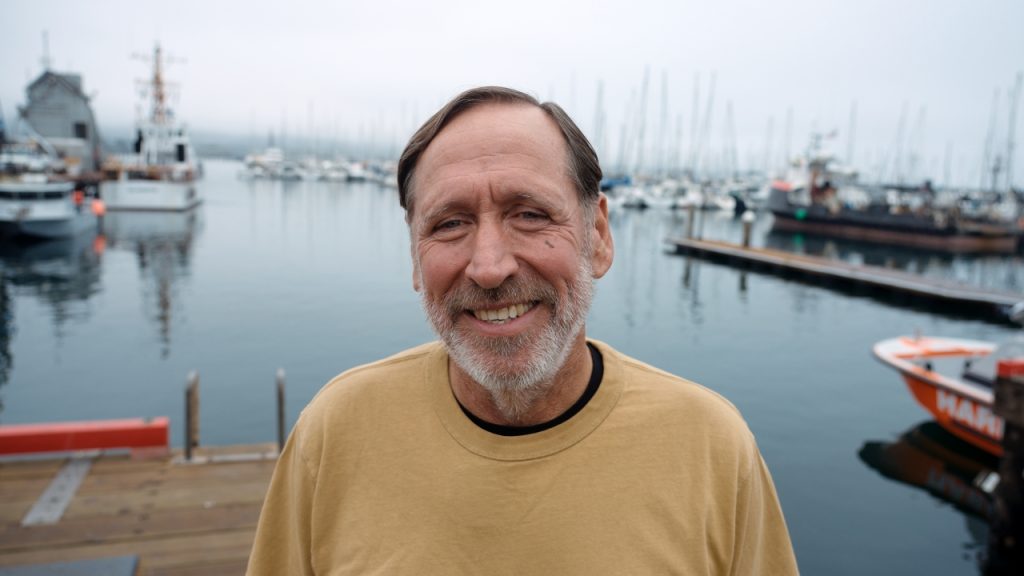
“Fishermen depend on a productive marine environment. We need clean water, clean air… That leads to clean fish, a valuable product that we can live from and that feeds people. It is an economic benefit for everyone,” he adds.
Beyond fishing, the sanctuary acts as a driver for marine tourism—diving, kayaking, whale watching—and for service businesses linked to coastal recreation and the protected ecosystem. According to a NOAA summary, non-extractive recreation activities generated approximately 1 million USD in revenue in 1999 in the boat tour segment alone, and 40 million USD in recreational fishing sales were estimated that same year.
Taken together, CINMS not only conserves a marine environment of high ecological value, but also acts as tangible economic support for coastal communities in California by combining fishing, recreation, and tourism in a synergy that benefits both the environment and the region. And this economic benefit is, in part, the reason communities defend MPAs, even from threats that come from afar.
2025: A significant shift in federal conservation policies
The success of marine sanctuaries does not exempt them from challenges. And sometimes, the risks do not come from the sea, but from the White House. Instead of expanding or strengthening protected areas, the approach has been to reduce restrictions by opening zones to commercial fishing.
“One of the most concerning decisions of the current administration has been to reverse promises to protect marine areas, especially the 30×30 initiative, which sought to protect 30% of marine areas by 2030,” warns biologist Frances Colón, senior director of International Climate Policy at the Center for American Progress.
Now the position is to classify MPAs not as conservation instruments but as potential barriers to economic growth.
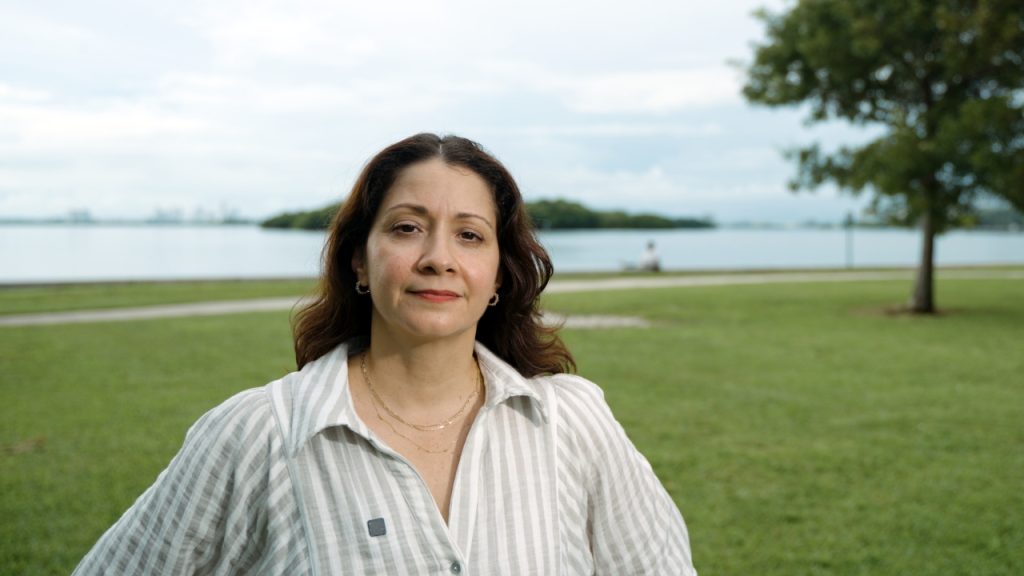
“In April of this year, the administration opened around half a million square miles of the Pacific Ocean to industrial fishing and seabed mining,” explains Colón.
In addition to opening the Pacific Islands Heritage Marine National Monument in the central Pacific Ocean to commercial fishing, the current administration lifted the ban on economic activity in the Northeast Canyons and Seamounts Marine National Monument, which covers about 4,913 square miles off the coast of New England.
The main concern of the scientific community is that this shift in attitudes could weaken coastal communities and put marine biodiversity at risk.
“When protected areas are well designed and well managed, ecosystems flourish and grow robustly.”
Hence the importance of choosing committed leaders.
“If we do not have a healthy environment and we do not have clean water, clean air, an environment free of pollution, an environment where we protect the planet and ensure a climate future, we cannot ensure the economic future of our communities and our families. That is why we need to make a decision when we go to the polls, to vote for leaders who do support the climate and environmental agenda and our future globally,” adds Colón.
The unbreakable link between the future of the ocean and that of the planet
The health of the ocean is closely linked to that of our communities. Taking care of it is taking care of ourselves.
“The best way we can have much greater resilience is to create a healthier ocean and think about the future; about the future of the ocean as the future of humanity,” explains Max Bello, global expert in marine policy.
Each wave that touches the coasts reminds us that the planet beats to the rhythm of the sea.
“Marine algae produce almost two thirds of the oxygen we breathe. And they die with pollution and global warming… they are important because they absorb the excess carbon dioxide that we produce… So environmental care is not a privilege, it is not for those who have time, it is a necessity for everyone,” says oceanographer Rocío Lozano-Knowlton.
In its waters, the story of our survival is written day by day.
“We all care that the environment supports the economy, but also supports our health. The fact that there is a healthy ocean, that there is clean air, clean water, all of this leads in the short and long term to the health of our communities,” says biologist Frances Colón.
And the future of the ocean, like ours, is written with every decision we make.
“Ultimately, the future is not only for us now but also for future generations, so that they can continue to enjoy its benefits in healthy spaces,” adds scientist Manuela Díaz.
